
Choosing the right web hosting service in Singapore is one of the most important decisions for any business going online in 2026. Your hosting provider directly impacts:
- Website speed
- Security protection
- Scalability
- Uptime reliability
- Search engine rankings
Whether you're launching a corporate website, WordPress blog, WooCommerce store, SaaS platform, or enterprise application, this complete guide will help you make the right decision.
What Is Web Hosting?
Web hosting is the service that stores your website files on an internet-connected server. When someone enters your domain name into their browser, the hosting server delivers your website to their screen.
Think of it like this:
- Domain name = Your online address
- Web hosting = The building where your website “lives”
- Server = The computer storing your website files
Professional hosting providers invest in:
- Enterprise-grade hardware
- NVMe storage
- High-bandwidth connectivity
- Redundant power systems
- Advanced cybersecurity
Types of Web Hosting Services
Choosing the right hosting type depends on your traffic, budget, and technical requirements.
1️⃣ Shared Hosting
Shared hosting places multiple websites on one server.
Pros
- Affordable
- Beginner-friendly
- Maintenance included
Cons
- Limited resources
- Performance affected by others
Best for: Small businesses, startups, portfolios.
👉 See detailed comparison in Shared vs VPS vs Dedicated Hosting – Pros and Cons
2️⃣ VPS (Virtual Private Server) Hosting
A VPS gives you dedicated virtual resources on a shared physical server.
Pros
- Better performance
- Root access
- Scalable
- More control
Cons
- Higher cost
- Requires technical management (if unmanaged)
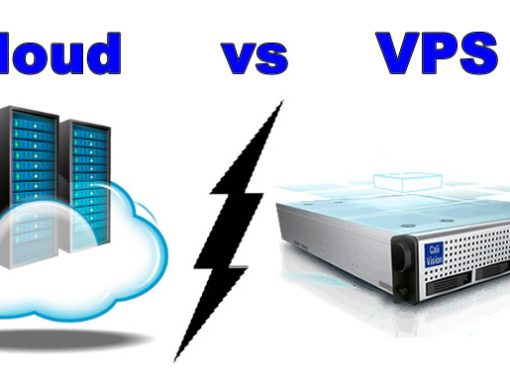
👉 Also compare with Cloud vs VPS Hosting
Best for: Growing businesses, medium-traffic websites.
3️⃣ Dedicated Hosting
You rent an entire physical server.
Pros
- Maximum performance
- Full customization
- Enterprise-level security
Cons
- Expensive
- Requires server management expertise
Best for: Large enterprises, high-traffic platforms.
4️⃣ Cloud Hosting
Cloud hosting distributes your website across multiple interconnected servers.
Pros
- High scalability
- Automatic failover
- Flexible pricing
Cons
- Complex pricing models
Ideal for fast-growing businesses and fluctuating traffic.
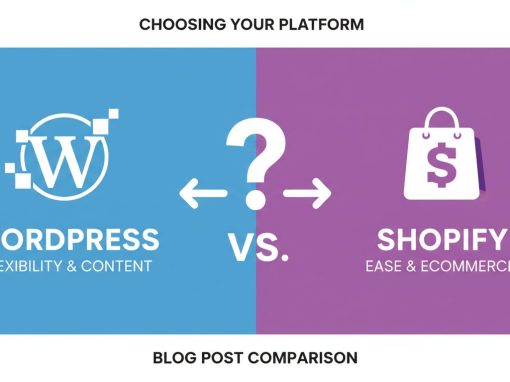
Hosting for WordPress in Singapore
WordPress powers over 40% of websites globally. For Singapore businesses, optimized WordPress hosting should include:
- LiteSpeed or optimized Apache stack
- Server-level caching
- Automatic updates
- Daily backups
- Malware protection
Managed WordPress hosting removes technical stress and improves security.
Hosting for E-Commerce (WooCommerce & Shopify)
If you're running WooCommerce or Shopify, hosting must prioritize:
- PCI compliance
- SSL encryption
- Fast checkout performance
- High uptime (99.9%+)
- DDoS protection
For WooCommerce, VPS or Cloud hosting is usually recommended.
Managed vs Unmanaged Hosting
Managed Hosting
The provider handles:
- Updates
- Security patches
- Backups
- Monitoring
- Technical troubleshooting
Best for businesses without in-house IT teams.
Unmanaged Hosting
You handle:
- Server configuration
- Maintenance
- Security
Best for developers and IT-managed companies.
Linux vs Windows Hosting
Your choice depends on your application stack.
- Linux hosting is ideal for PHP, WordPress, and MySQL.
- Windows hosting supports .NET applications and Microsoft technologies.
If you're using ASP.NET, Windows hosting is required.
👉 Read more in Difference Between Linux vs Windows Hosting
👉 Also see Choosing the Best ASP.NET Hosting
Why Hosting Location Matters – Singapore Advantage
Singapore is a leading digital hub in Southeast Asia.
Advantages:
- Low latency across Asia-Pacific
- Strong cybersecurity regulations
- Reliable infrastructure
- Strategic global connectivity
If your audience is in Singapore or Asia, local hosting improves load speed significantly.
Local vs Overseas Servers
Local Singapore Hosting
- Faster load times for local users
- Better regional SEO
- Compliance alignment
Overseas Hosting
- Sometimes cheaper
- Higher latency for Asian traffic
For SMEs targeting Singapore customers, local hosting is usually the smarter choice.
Infrastructure Behind Reliable Hosting (2026 Standard)
Modern hosting now includes:
- NVMe storage
- HTTP/3 support
- LiteSpeed servers
- Edge caching
- CDN integration
- AI-powered monitoring
- Daily automated backups
Security & Backup Best Practices
Cyber threats continue to rise in 2026.
Essential security features:
- SSL certificates (HTTPS)
- Web application firewall (WAF)
- Malware scanning
- Email anti-spam filtering
- Daily backups
- Offsite backup storage
Many providers now integrate security features similar to Cloudflare protection layers.
AI-Ready Hosting Infrastructure (New for 2026)
Web hosting is evolving with AI:
- AI-driven threat detection
- Predictive server scaling
- Automated performance tuning
- Smart resource allocation
AI-ready hosting environments are becoming a competitive advantage for growing businesses.
Hosting Scalability – Planning for Growth
Your hosting should scale without downtime.
Upgrade paths should be seamless:
Shared → VPS
VPS → Dedicated
Dedicated → Cloud
Without full migration or disruption.
Domain Names and Hosting
Domain registration:
- Must be unique
- Costs around $12/year for .com
- Country domains may vary
Hosting and domain services are often bundled for convenience.
Hosting Comparison Table (2026 Overview)
| Feature | Shared | VPS | Dedicated | Cloud |
|---|---|---|---|---|
| Cost | Low | Medium | High | Flexible |
| Performance | Basic | Good | Excellent | Excellent |
| Scalability | Limited | Moderate | Manual | Automatic |
| Best For | Startups | Growing SMEs | Enterprises | Fast Growth |
Why Cheaper Hosting Is Not Always Better
Cheap hosting may result in:
- Slow performance
- Weak security
- Limited support
- Strict resource limits
- Hidden upgrade traps
Hosting is digital infrastructure — not the place to cut corners.
👉 Read: Cheap Web Hosting vs Best Web Hosting
👉 Also: Free Web Hosting – Pros and Cons
Future of Web Hosting (2026 and Beyond)
The industry is moving toward:
- AI-enhanced infrastructure
- Automated cloud scaling
- Zero-downtime upgrades
- Edge computing
- Enhanced PCI-compliant environments
- More powerful control panels
Final Thoughts
Web hosting is the backbone of your online presence.
The right provider ensures:
- Fast loading speeds
- Strong cybersecurity
- Reliable uptime
- Seamless scalability
- Responsive technical support
If you're unsure which hosting plan fits your business needs:
Choosing the right hosting today builds the foundation for your business growth tomorrow.