When Singapore businesses want more leads, the first question is often:
“Should we invest in SEO or Google Ads?”
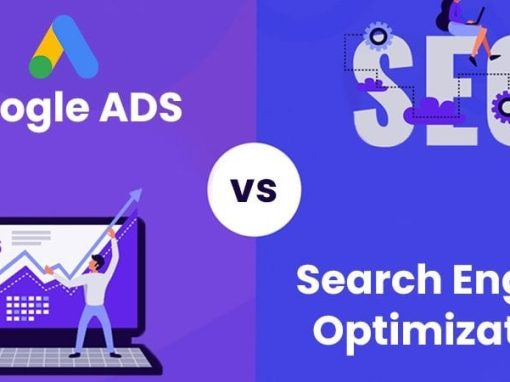
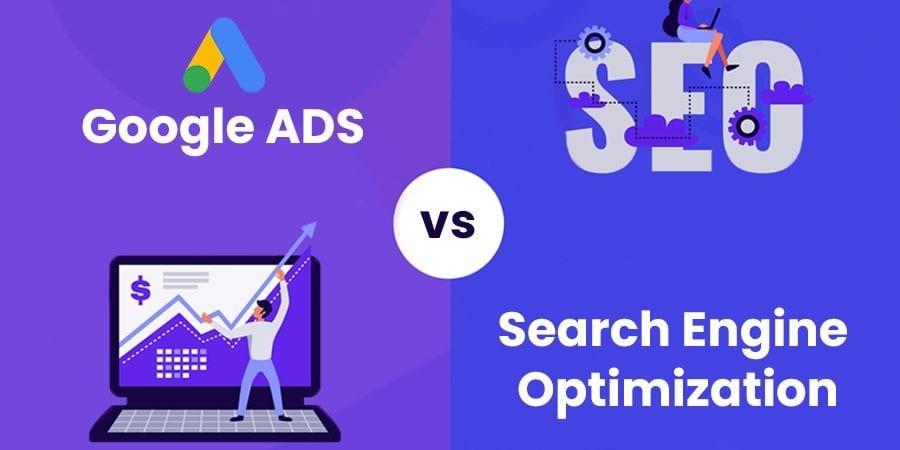
Both channels can generate traffic and sales. However, they differ significantly in cost, timeline, ROI, and long-term impact.
Understanding the differences helps you allocate budget strategically instead of guessing.
If you’re new to SEO fundamentals, start with our complete SEO Guide for Singapore Businesses (2026 Update) to understand how organic search works.
Cost Comparison: SEO vs Google Ads
Google Ads Costs in Singapore
Google Ads operates on a pay-per-click (PPC) model.
You pay every time someone clicks your ad.
In competitive industries in Singapore (legal, renovation, digital marketing, finance), cost-per-click (CPC) can range from:
- SGD $2–$5 (low competition)
- SGD $10–$30+ (high competition industries)
Monthly budgets typically range from:
- $800–$1,500 for small businesses
- $3,000–$10,000+ for competitive sectors
The moment you stop paying, traffic stops.
SEO Costs in Singapore
SEO is usually structured as:
- Monthly retainer
- Project-based audit
- Ongoing optimization campaign
Costs vary depending on competition and scope.
Unlike ads, SEO investment builds long-term assets:
- Content
- Rankings
- Authority
- Backlinks
- Brand trust
Once rankings are achieved, traffic can continue without paying per click.
Timeline Comparison
Google Ads Timeline
- Campaign setup: 1–2 weeks
- Traffic begins immediately after launch
- Results visible within days
Google Ads is ideal for:
- Product launches
- Promotions
- Seasonal campaigns
- Immediate lead generation
SEO Timeline
SEO requires patience.
Typical timeline in Singapore:
- 1–2 months: Technical fixes & optimization
- 3–6 months: Noticeable ranking improvement
- 6–12 months: Strong organic growth
SEO is not instant — but it compounds over time.
For long-term sustainable growth, most businesses rely on structured SEO strategies rather than short bursts of paid traffic.
ROI Differences
Short-Term ROI
Google Ads often produces faster measurable ROI because:
- Traffic is immediate
- Campaigns are highly targeted
- Budget control is precise
However, rising CPCs can reduce profitability over time.
Long-Term ROI
SEO typically delivers stronger long-term ROI because:
- No per-click cost
- Organic trust is higher
- Click-through rates are stronger for top organic results
- Traffic continues even without ongoing ad spend
Organic visibility builds brand authority, which improves conversion rates.
In many industries, businesses that rely only on ads face increasing acquisition costs each year.
When Should You Use Both?
The smartest strategy is often not “either-or” — but a combination.
Use Google Ads When:
- You need immediate leads
- Launching a new service
- Testing new markets
- Running promotions
- Entering a highly competitive industry
Use SEO When:
- You want sustainable long-term growth
- Building brand authority
- Reducing long-term cost per lead
- Competing strategically rather than outbidding competitors
Combined Strategy Example
- Use Google Ads to generate immediate traffic.
- Analyze which keywords convert best.
- Build SEO content around those high-converting terms.
- Gradually reduce ad spend as organic rankings improve.
This hybrid model reduces dependency on paid traffic over time.
If you want structured implementation, explore our SEO services in Singapore for a tailored strategy.
Case Example 1: Renovation Company in Singapore
Scenario:
A renovation company relies only on Google Ads.
- Monthly ad budget: $4,000
- Average CPC: $15
- Traffic stops when budget pauses
After 8 months of SEO investment:
- Ranked top 3 for 5 service keywords
- Organic traffic surpasses paid traffic
- Reduced ad budget by 40%
- Lower overall cost per lead
Long-term result:
Higher profit margins due to reduced dependency on paid ads.
Case Example 2: New Startup Launch
Scenario:
A new business launching in Singapore needs leads quickly.
SEO alone would take months.
Strategy:
- Launch Google Ads immediately
- Begin SEO foundation simultaneously
- Build authority and content over 6–9 months
Result:
Paid ads generate early revenue while SEO builds long-term stability.
Trust & User Behaviour Differences
Studies consistently show:
- Users often skip ads and click organic results
- Organic listings are perceived as more credible
- Top organic positions receive strong click-through rates
However:
- Ads dominate top screen real estate on mobile
- Paid results allow precise targeting
Both channels influence user perception differently.
Risks of Relying Only on One Channel
Only Google Ads
- Rising CPC inflation
- Competitor bidding wars
- Traffic disappears when budget stops
Only SEO
- Slower results
- Algorithm dependency
- Requires consistent optimization
Balanced marketing reduces risk.
Which Is Better for Singapore Businesses in 2026?
There is no universal answer.
The right choice depends on:
- Budget
- Industry competition
- Growth timeline
- Business model
- Profit margins
For long-term digital asset building, SEO is essential.
For immediate scalability, Google Ads is powerful.
For strategic growth, combine both.
If you need help designing a structured approach, revisit our complete SEO Guide for Singapore Businesses (2026 Update) to understand how SEO fits into your overall digital marketing plan.
Final Thoughts
SEO and Google Ads are not competitors — they are complementary tools.
Google Ads buys visibility.
SEO builds authority.
Singapore businesses that integrate both intelligently create:
- Sustainable traffic
- Lower long-term acquisition costs
- Higher brand trust
- More predictable growth
The key is strategy — not guesswork.